
Your Body is Waiting for the End
Okay, maybe that’s a bit morbid. But what are we really talking about here? There are moments throughout the day when something inside of you braces so subtly that you might miss it.
- a loud noise startles you
- constant bright lights
- ambient background noise
- a pressing email you know is waiting
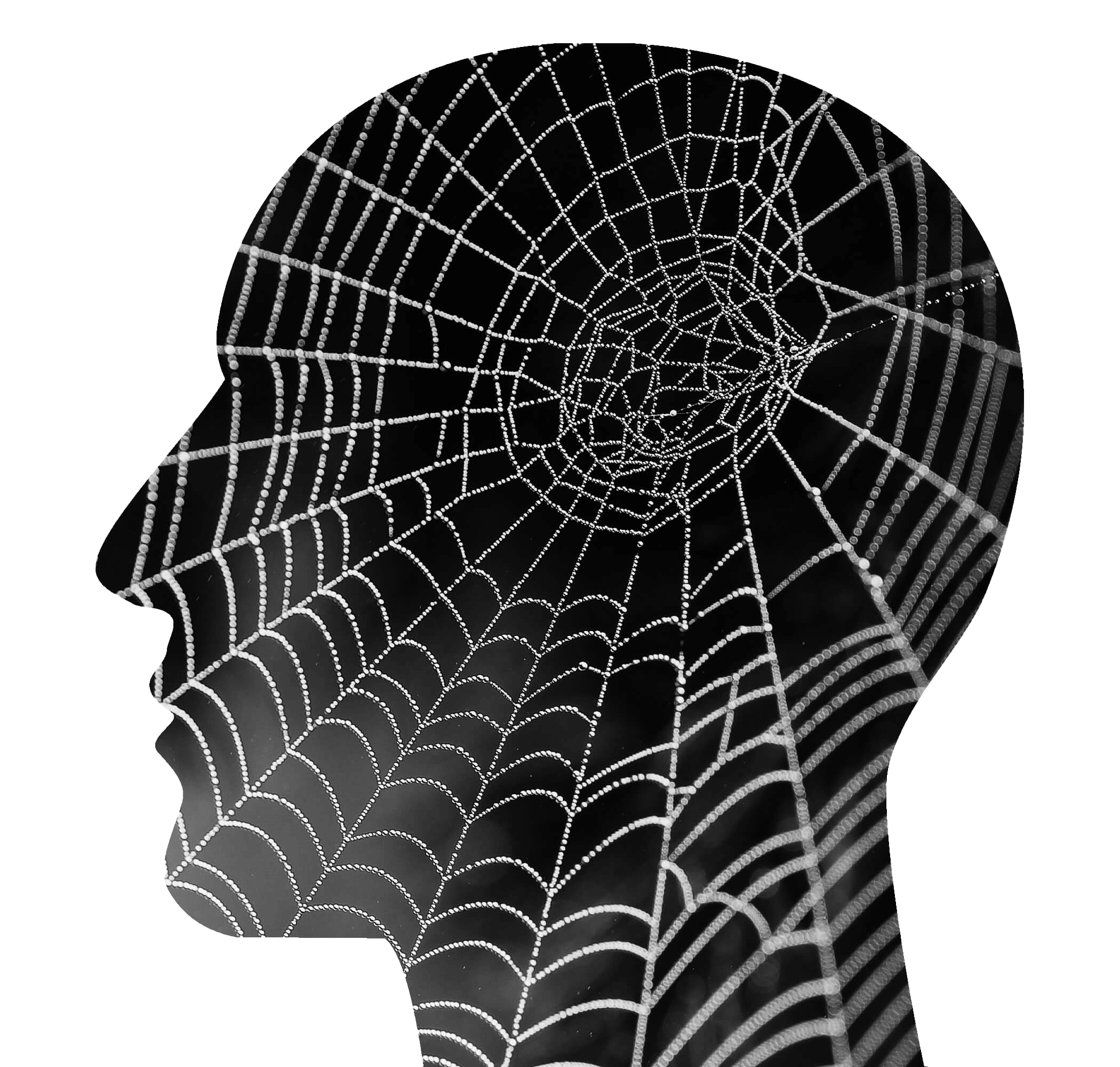
Your body physically responds before you can even make sense of it. The nervous system is always listening, always scanning and quietly pressing the gas pedal. This is the fight, flight, freeze response doing exactly what it was designed to do; flooding the body with adrenaline and cortisol to prepare you to act!
But most of the time… we don’t act.
We stay seated.
We keep pushing.
We carry on.
And so, the energy that was meant to move… doesn’t.
It lingers like cobwebs.
The Unfinished Conversation
Sooo, What Happens When Stress Has Nowhere to Go? The body holds onto the charge. The muscles get stuck in a state of bracing (a low, sustained contraction) and that becomes the new baseline.
- shoulders creep upwards
- the chest draws in
- the jaw tightens
- the lower back starts to ache in quiet protest
Hormones meant for short bursts of survival stretch themselves across entire days. Adrenaline hums in the background like a motor that won’t turn off. Cortisol overstays its welcome, keeping us on high alert.
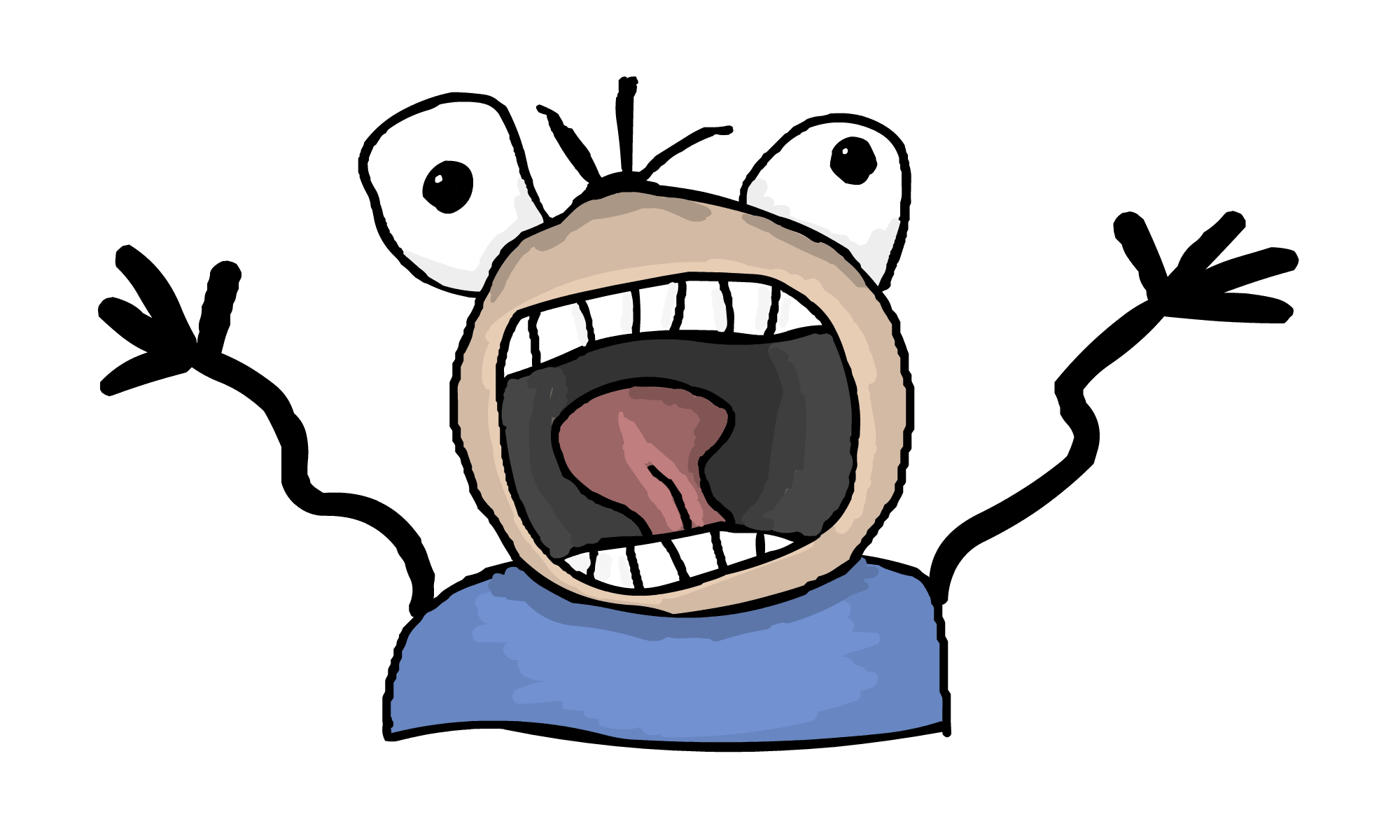
And beneath it all, something more subtle shifts.
The nervous system begins to assume danger.
Not loudly or dramatically, but persistently.
It continuously scans every bit of sensory data in the environment, anticipates the worst is just around the corner and prepares for the unknown. The way we perceive the world and situations completely shifts! We get irritable, fatigued, foggy and overstimulated by things that never even bothered us before. As days, weeks, months and even years go by, returning to rest becomes less familiar and more foreign; like a trail we’ve walked a hundred times before becoming overgrown and blocked by debris.
This is where burnout fog begins to slowly creep in, the system redlines, and in extreme cases… it shuts off completely. Leaving only a shell drifting through life.
Movement as a Conversation
Woah, woah, woah lets back it up a bit. What’s often missing isn’t awareness of the stress.
“I know I’m tense, I know I need to relax and I try but nothing changes or my environment keeps me pinned down. What gives?”
It’s completion of the cycle.
The body is still waiting for the signal that the moment has passed. That stability and safety have returned. Movement, in this way, becomes less about exercise and more about communication. A quiet conversation between our body and brain that says:
“You’re safe now. You can let go.”
When we move, with intention, we begin to shift into a parasympathetic state. The vagus nerve (which stretches from the brain to the belly and is responsible for proper rest and recovery) responds to this change. The muscles soften and allow for our breath to deepen. From here our nervous system is finally able to recalibrate! The rhythm of motion massages our system back to a state of rest.
A Note from the Animals
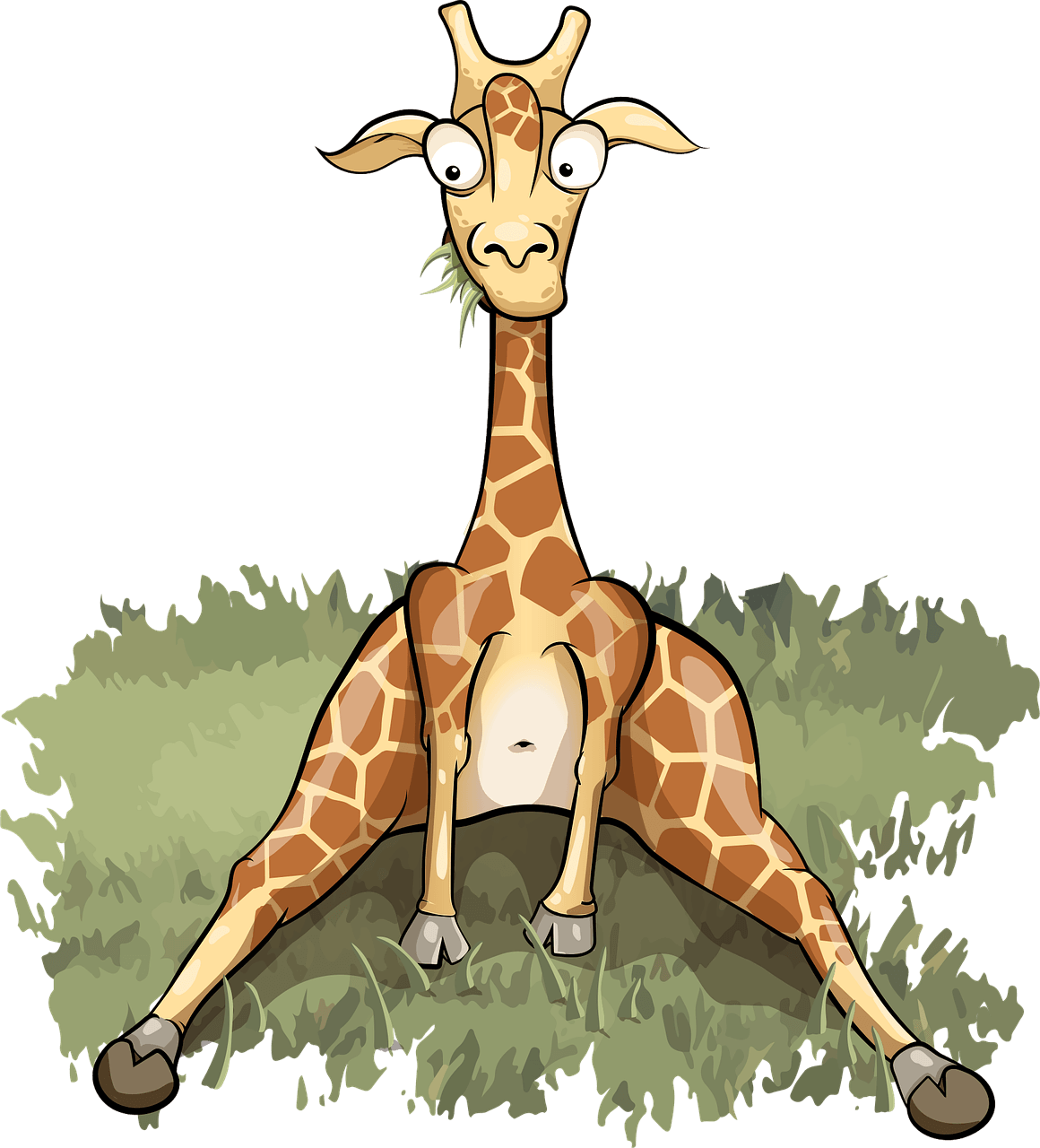
In the wild animals such as deer, gazelle and zebras, don’t hold onto stress the way we do. After a threat passes, they shake, tremble and discharge the energy.1 Then they return to their baseline calm state.
There’s something deeply familiar in that, if you pay attention. A flicker of an urge to move manifests...
to stretch
to take a deeper breath than usual
to shift your weight, roll your shoulders, stand up.
These are not random habits. They are primal instincts.
Small Movements, Meaningful Shifts
Regulation doesn’t have to be big or performative, it can be quiet and almost invisible.
- A moment of shaking out your hands, like you’re shaking off water, can dissipate adrenaline.
- A stretch just long enough for the muscle to soften can relax the nervous systems overfiring.
- A short walk with a steady rhythm, so your steps create an internal metronome, acts in the same way stimming does to release anxiety.
- Intentionally pressing your body into something solid (like a wall or the ground) to remind yourself where you are in space, helps you feel more stable.
- A gentle exploration of movement in your joints, inviting space, relieves nerve tension.
These movements all speak the bodies native language; sensation, rhythm and presence. By doing these micro-regulation conversations with our body, we activate proprioceptors (the body’s internal communicators of where you are in space) so they can send the message:
“You are steady. You are safe.”
Letting the Body Finish the Story

When stress is allowed to move through the body something begins to change, not just in the moment, but over time.
Our nervous system becomes less impulsively reactive.
Our functional baseline expands and softens.
Future stressors feel… a little less, sharp and overwhelming.
We are able to bring forward a little more of ourselves and a little less of the shield trying to fend off the day. This isn’t about eliminating stress; stress is a constant in life. It’s about allowing the body to complete stress cycles, so we spend less time on guard and overwhelmed and more time building a life that accommodates us as we are.
Where to Go from Here
There is much more to explore here that I will share with you in future blogs.
- How adrenaline and cortisol support you, and how they begin to work against you
- How the brain and body communicate through the HPA axis
- What emotions really are, when you strip away the stories around them
- How movement can expand your capacity to stay with discomfort without overwhelm
- What burnout actually is beyond the surface
But for now, a simple place to begin:
Notice where your body is holding on too tight.
And instead of asking it to push past it…
See what happens when you allow it to move through it!
1 Beyond Theory Podcast. (2024, April 18). Dr. Peter Levine on Waking the Tiger - Beyond Theory Podcast. https://beyondtheorypodcast.com/dr-peter-levine-on-waking-the-tiger/